
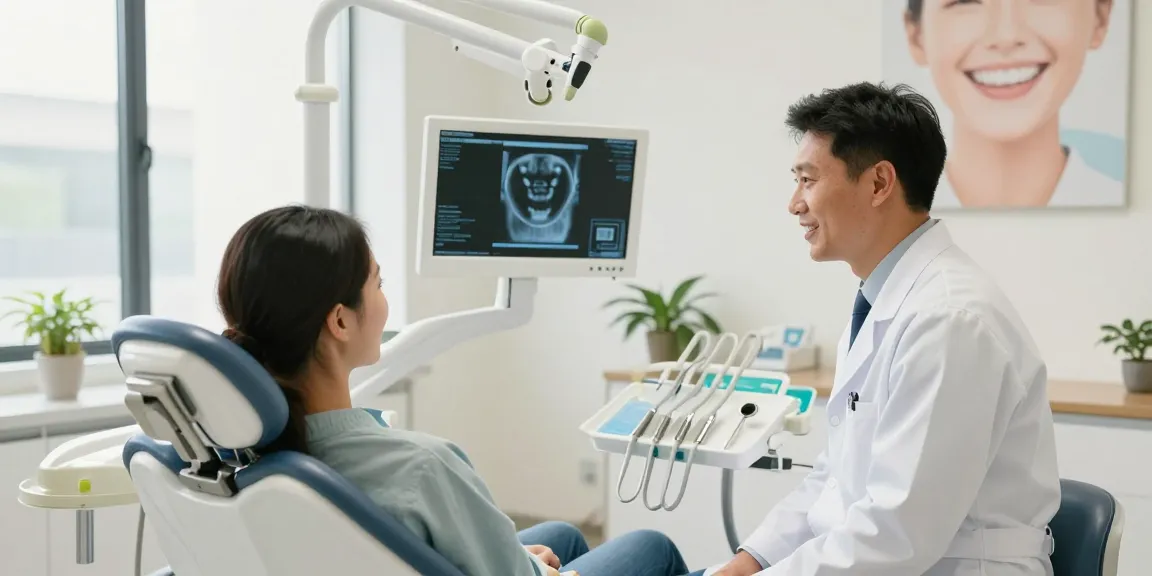
Understanding Kieferorthopädie and Its Importance
Kieferorthopädie, or orthodontics, plays a vital role in modern dentistry, focusing on diagnosing, preventing, and treating dental and facial irregularities. With a growing understanding of the significance of oral health, the demand for orthodontic treatments has surged. In an era where aesthetics and functionality of teeth are paramount, Kieferorthopädie provides comprehensive insights into tailored treatment plans, ensuring that patients receive optimal care specific to their needs.
What is Kieferorthopädie?
Kieferorthopädie is a specialized field within dentistry dedicated to correcting misaligned teeth and jaws. This branch of dental care focuses on various aspects including the alignment of teeth, positioning of the bite, and overall facial aesthetics. Orthodontists use various appliances, including braces and aligners, to facilitate teeth movement, correct bite issues, and improve overall dental health.
The Role of Orthodontics in Modern Dentistry
The role of orthodontics transcends mere cosmetic enhancements. Orthodontic treatments are crucial for improving oral functionality, aiding in chewing, speaking, and overall oral hygiene. Properly aligned teeth can reduce the risk of cavities and gum disease, ensuring long-term dental health. Moreover, advancements in technology have paved the way for less invasive and more effective treatment options, contributing to enhanced patient experiences.
Key Benefits of Kieferorthopädie for Patients
- Improved Oral Health: Straightening teeth helps in better cleaning and reduces the risk of plaque accumulation.
- Increased Confidence: Enhancing the aesthetics of one’s smile boosts self-esteem and confidence.
- Functional Improvement: Correcting bite issues leads to improved chewing and speaking abilities.
- Long-term Cost Efficiency: Early orthodontic treatment can prevent more severe dental issues, thereby reducing costs in the long run.
Compliance with Legal Regulations in Kieferorthopädie
In the field of Kieferorthopädie, compliance with legal regulations is crucial for maintaining patient trust and ensuring the ethical handling of sensitive health data. Understanding data protection laws is paramount for orthodontic practices.
Understanding Data Protection Laws
Practices must adhere to the General Data Protection Regulation (GDPR), especially concerning the handling of personal data, including health records. By ensuring that patient information is securely managed and accessible only to authorized personnel, orthodontic practices can protect sensitive health data from breaches and misuse.
Best Practices for Patient Confidentiality
To maintain patient confidentiality, orthodontic practices should implement robust data protection measures, including encryption of patient records, restricting access to sensitive information, and conducting regular audits. It is also essential to have clear communication guidelines regarding the sharing of patient information with third parties.
Ensuring Legal Compliance in Multi-Provider Practices
In multi-provider practices, sharing patient data among orthodontists and other healthcare professionals must be legally sound and documented. Defining responsibilities and ensuring clarity on data handling duties among providers is essential for maintaining compliance with data protection regulations.
Technical and Organizational Measures in Kieferorthopädie Practices
Implementing effective technical and organizational measures is vital for ensuring data security within Kieferorthopädie practices. The integration of technology into daily operations must be aligned with stringent security protocols.
Implementing Effective IT Security Protocols
Orthodontic practices should utilize advanced IT security protocols, including firewalls, antivirus programs, and secure networks to safeguard patient data. Regular security training for staff can enhance awareness and capabilities to identify and address potential security threats.
Developing Efficient Documentation Procedures
Documenting patient interactions, treatments, and protocols is imperative for maintaining transparency and compliance. Practices should invest in electronic health record (EHR) systems that facilitate secure and searchable documentation, ensuring that all patient histories are accurately maintained.
Training Staff on Data Protection and Security
Ongoing training for staff regarding data protection laws, privacy rights, and security best practices can significantly reduce risks associated with data breaches. Regular workshops, refreshers, and clear data management policies help foster a culture of responsibility and vigilance within the practice.
Enhancing Digital Accessibility and Inclusion
In today’s digital era, enhancing digital accessibility and inclusion is crucial for orthodontic practices. This not only improves patient experience but also aligns with regulatory requirements.
What is Digital Accessibility in Healthcare?
Digital accessibility refers to making online resources usable for everyone, including individuals with disabilities. In orthodontics, this can involve creating accessible websites, patient portals, and telehealth solutions that are compliant with accessibility standards.
Meeting WCAG 2.1 Standards for Patient Portals
To ensure inclusiveness, Kieferorthopädie practices should meet the Web Content Accessibility Guidelines (WCAG) 2.1 standards, which set out criteria to make digital content more accessible. This includes providing text alternatives for non-text content, ensuring content is navigable, and making text readable and understandable.
Strategies for Inclusive Patient Communication
Improving communication for all patients involves using clear language, offering multilingual resources, and providing assistance to individuals who may need extra support. Furthermore, utilizing technology, such as video calls with interpreters or accessible chat interfaces, can significantly enhance patient engagement.
Future Trends in Kieferorthopädie and Patient Care
As the field of Kieferorthopädie continues to evolve, staying informed about future trends is essential for practitioners aiming to provide the best care.
Emerging Technologies in Orthodontics
Emerging technologies such as 3D printing and artificial intelligence are transforming treatment planning and delivery in orthodontics. These technologies enable more precise treatments and faster turnaround times, enhancing overall patient satisfaction.
The Impact of Telehealth on Kieferorthopädie
Telehealth has become increasingly relevant in Kieferorthopädie, facilitating remote consultations and follow-ups. This not only improves access for patients in rural or underserved areas but also optimizes the time management of orthodontic practices.
Preparing for Changes in Regulatory Standards by 2026
As regulations continue to evolve, orthodontic practices must remain proactive in preparing for upcoming changes. This involves staying updated on legislative developments and adjusting internal policies to ensure continued compliance.
What are the common misconceptions about Kieferorthopädie?
Common misconceptions include the belief that orthodontics is solely for children or that treatments are purely cosmetic. In reality, orthodontics can benefit people of all ages and plays a significant role in overall oral health.
How can patients ensure their orthodontic practice is compliant?
Patients should inquire about their orthodontic practice’s data protection policies, verify whether they have a privacy officer, and ensure that their health information is stored and shared securely.
What role does technology play in modern Kieferorthopädie?
Technology plays a pivotal role, enhancing diagnostics, treatment planning, and patient communication. Tools such as digital impressions, 3D imaging, and orthodontic software streamline processes and improve outcomes.
How important is staff training in privacy practices?
Staff training is critical in maintaining a practice's compliance and protecting sensitive information. Regular training reinforces the importance of data privacy and helps staff navigate legal obligations effectively.
What steps can practices take to improve digital accessibility?
Practices can improve digital accessibility by conducting regular audits of their websites, offering accessible patient portals, and ensuring that all digital content meets established accessibility standards.